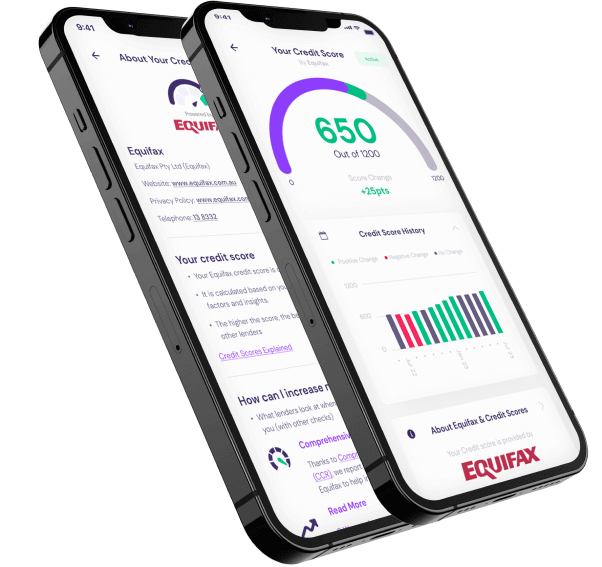
-
-
-
-
BetterCredit App
![]() Effortlessly manage your loans
![]() Easy access to customer service
![]() Make extra repayments & request statements and repayment date changes
![Download the BetterCredit App on the Apple App Store]()
![Download the BetterCredit App on the Google Play Store]()
-
-
-
Keeping track of multiple debts can mean juggling different repayments, interest rates and due dates. Debt consolidation is one way to simplify things by bringing several debts together into one simple loan. Depending on the loan and your circumstances, it could also help reduce your borrowing costs. But a lower repayment doesn’t always mean you’ll save money, and consolidating debt isn’t the right solution for everyone.
This guide explains how debt consolidation works in Australia, the different ways to combine debts and what to consider before deciding whether it’s right for you.
Debt consolidation works by combining multiple existing debts, such as credit cards, personal loans and Buy Now Pay Later balances, into one new loan or credit facility. Instead of managing several separate repayments, you make one repayment at a time towards the new debt. It could make your finances easier to manage and potentially save you money on interest and fees. However, a longer repayment term or higher borrowing costs could mean paying more overall, so it’s important to compare your options before consolidating.
Debt consolidation is the process of combining multiple existing debts into one new loan or credit facility. This could include credit cards, personal loans, store cards or Buy Now Pay Later (BNPL) balances. Instead of managing several separate debts, you make repayments towards the new loan or credit facility.
The main benefit is simplicity, but debt consolidation could also help you save on interest and fees if the new arrangement costs less overall. However, it’s important to compare the total cost of borrowing, not just the repayment amount. A longer loan term, higher fees or additional borrowing could leave you paying more in the long run.
A debt consolidation personal loan works by replacing multiple existing debts with one new loan. Here’s what the process typically looks like:
Start by listing the debts you want to consolidate, including their outstanding balances, interest rates, regular repayments and any fees for paying them off early. This will help you understand how much you need to borrow and what your existing debts are costing you.
Look for a loan that could cover your existing debts and has repayments you can comfortably afford. Compare the interest rates, fees, loan term and total amount repayable against your current debts. Remember, a lower interest rate doesn’t necessarily mean a cheaper loan if you’re paying it off over a longer period.
Once you’ve found a suitable option, you can apply for a loan to cover the debts you want to combine. The lender will assess your application, including your income, expense, credit history and existing financial commitments, to determine whether you meet its eligibility and lending criteria.
If your application is approved, the new loan funds are used to pay out the debts you’ve chosen to consolidate. Depending on the lender, the funds may be paid directly to your existing creditors or transferred to you so you can finalise the repayments yourself. Check to confirm that each debt has been paid in full and whether any outstanding interest or fees remain.
Once your existing debts are paid off, you’ll make regular repayments towards your new loan. If you’ve chosen a fixed-rate personal loan, your scheduled repayments will generally stay the same throughout the loan term, making them easier to plan for. It’s also worth reviewing whether to close or reduce the limits on any credit accounts you’ve paid off, particularly if you want to avoid building up additional debt.
A debt consolidation personal loan lets you combine several debts into one loan with regular repayments over an agreed term. With a fixed-rate personal loan, your interest rate and scheduled repayments remain consistent throughout the loan term. Personal loans may be secured or unsecured, depending on the lender and the amount you want to borrow.
Some credit cards offer a low or 0% introductory interest rate when you transfer balances from other eligible credit cards. This could help reduce interest costs if you’re able to repay the transferred balance before the introductory period ends.
However, balance transfer fees may apply, and any remaining balance will generally attract a higher interest rate once the promotional period finishes.
If you own a home, you may be able to refinance certain debts into your mortgage. While home loans often have lower interest rates than credit cards or personal loans, spreading short-term debts over a much longer mortgage term could increase the total interest you pay. It also means those debts become secured against your home, which could be at risk if you can’t meet your repayments.
Debt consolidation is different from entering into a formal debt agreement. A debt consolidation loan involves borrowing money to repay existing debts. A Part IX debt agreement is a formal insolvency agreement under the Bankruptcy Act 1966, generally used when someone cannot repay their debts as originally agreed.
Debt agreements can have significant consequences for your credit history and future borrowing options. They are recorded on the National Personal Insolvency Index and may remain on your credit report for five years or longer.
If you’re struggling to manage existing repayments, consider speaking with a free financial counsellor before entering into a formal debt arrangement.
A debt consolidation personal loan could be worth considering if it helps you manage your existing debts more effectively without creating additional financial pressure. It may be beneficial when:
Although debt consolidation can make managing repayments simpler, it isn’t always the most cost-effective option. Here are some situations where it could leave you worse off:
Spreading your debt over more years may reduce your regular repayments, but it could also mean paying more interest overall.
Establishment fees, ongoing account fees and early repayment charges on your existing debts could reduce or eliminate any potential savings.
If the new loan has a higher interest rate or total borrowing cost than your existing debts, consolidating them may not improve your financial position.
Paying off a credit card through debt consolidation doesn’t stop you from using it again if the account remains open. Building up new balances could leave you managing both the consolidation loan and additional debt.
If your regular expenses are higher than your income, taking out another loan may not address the underlying problem. In this situation, speaking with your existing lenders about financial hardship assistance or seeking free financial counselling may be a better starting point.
You can contact the National Debt Helpline on 1800 007 007 for free, confidential financial counselling.
Before consolidating your debts, it’s important to understand whether the new arrangement will actually improve your financial position. Start by comparing what you’ll pay under your existing debts with the total cost of the new loan.
Consider these questions:
Debt consolidation could affect your credit score, but the impact depends on your circumstances and how you manage the new loan. When you apply for a debt consolidation loan, the lender may perform a hard credit check. This is recorded on your credit report and could affect your credit score. If your application is approved, the new loan may also appear on your credit report.
Over time, making repayments on time could help to improve your credit score. Under Comprehensive Credit Reporting (CCR), participating lenders report repayment history, including whether payments were made on time. Limiting new credit applications could also help to improve your credit score.
Some debt management companies charge fees to negotiate with creditors, arrange repayment plans or help people enter formal debt agreements. While some services may be legitimate, it’s important to understand what you’re paying for and whether the arrangement could affect your credit history or financial position.
Be cautious of companies promising to eliminate your debts or repair your credit score. Before paying for assistance, consider speaking with a free financial counsellor through the National Debt Helpline. They can help you to understand your options without charging a fee.
Jacaranda Finance offers debt consolidation personal loans from $3,000 to $30,000, with weekly, fortnightly or monthly repayment options and no early repayment fees.
Unsecured personal loans are available up to [ULaccBorrowMax], while eligible secured personal loans offer amounts up to $30,000 and terms up to 48 months. Secured loans require an eligible registered motor vehicle you own as security.
We consider more than just your credit score when assessing your application, including your current financial circumstances and ability to afford repayments. You can check if you qualify in minutes with no impact on your credit score*.
Debt consolidation may reduce your regular repayments, depending on the interest rate, loan amount and repayment term. However, lower repayments don’t necessarily mean you’ll pay less overall. A longer loan term could increase the total interest and fees you pay, even if your repayments are more manageable.
You may be able to get a debt consolidation loan with bad credit, depending on the lender and your financial circumstances. Some lenders consider your current income, expenses and ability to afford repayments alongside your credit history. However, a lower credit score could affect the loan options and interest rates available to you.
Depending on the lender, you may be able to consolidate credit card balances, personal loans, store cards, Buy Now Pay Later (BNPL) balances and certain other debts. Not every lender accepts the same debt types, so check which debts are eligible before applying.
Debt consolidation and refinancing both involve taking out a new loan to manage existing debt. The key difference is that consolidation typically combines multiple debts into one, while refinancing usually replaces a single loan (like a mortgage) with a better one.
Either way, the goal is the same: to move to a more manageable and favourable loan that suits your needs.
Not exactly. Debt consolidation generally means combining multiple debts into one new loan or credit facility. Refinancing involves replacing an existing loan with a new one, potentially with different rates, terms or features. The two can overlap. For example, you might refinance several existing loans into one debt consolidation personal loan.
Not exactly. Debt consolidation generally means combining multiple debts into one new loan or credit facility. Refinancing involves replacing an existing loan with a new one, potentially with different rates, terms or features. The two can overlap. For example, you might refinance several existing loans into one debt consolidation personal loan.


 Effortlessly manage your loans


 Facebook
 LinkedIn
 Copy Link