$3,000 - $25,000

Rental Bond Loans
Fast and simple loan to make rental bonds and moving expenses simple.


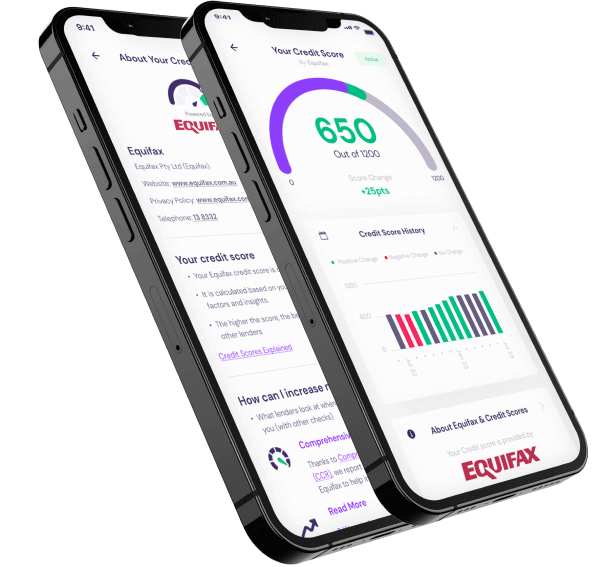
Your credit score is an important part of managing your finances. A stronger score could make it easier to access credit, secure more competitive interest rates and be approved for credit products like personal loans.
On this page:
Your credit score is based on information in your credit report. The main factors that affect your credit score include:
Understanding the factors that affect your score is the first step to achieving and maintaining a good credit score.
Comprehensive Credit Reporting (CCR) is a system used to record both positive and negative credit behaviour on your credit report. Unlike traditional credit reporting, with CCR lenders can see a more complete picture of your credit history, including how you manage credit – not just serious issues like defaults.
Your repayment history has the largest influence on determining your credit score. By consistently making repayments on time, you’re signalling to lenders that you are financially responsible and able to manage your debt. In Australia, your repayment history will remain on your credit report for up to 2 years. This includes whether repayments were made on time or late during that period. Note that if you miss a repayment, make a late payment or default on your loan, this may appear separately on your credit report.
Bonus Tip: Setting up direct debits or automatic payments can help you stay on track.
Each time you apply for a new loan or credit card, a hard inquiry is recorded on your credit file. While one inquiry usually won’t have a significant impact on your score, multiple applications in a short period of time could lower your score.
If you're considering credit, it's important to:
If you’re considering applying for a loan with Jacaranda Finance, you can check if you qualify with no impact on your credit score.
Reviewing your credit report regularly can help you to understand what lenders are seeing when assessing your application. In Australia, you can check your credit report for free once every 3 months (or more frequently however costs may apply) through a credit reporting agency such as Equifax or Experian, or a third-party service such as ClearScore.
When checking your credit report, it's recommended to look for:
If you identify information that is incorrect, you can request corrections through the credit reporting agency.
Using a large portion of your available credit could negatively impact your credit score, even if you make repayments on time. This is because lenders may see higher credit utilisation as a risk. Keeping credit card balances manageable and paying more than the minimum repayment where possible can help improve your credit utilisation and strengthen your credit profile.
Achieving a good credit score doesn’t usually happen immediately. It can take time for your credit report and score to begin to reflect new behaviour. Still, the most effective way to increase and maintain a high credit score is by demonstrating consistent positive financial habits. By showing lenders that you can reliably manage your credit over time, you could gain access to better rates and lower fees.














 Facebook
 LinkedIn
 Copy Link