$3,000 - $25,000

Rental Bond Loans
Fast and simple loan to make rental bonds and moving expenses simple.


A credit score (also known as a credit rating) is a 1-4 digit number that reflects your credit worthiness and how reliable you are when borrowing money and repaying it. A higher score means lower risk. Credit scores are calculated using information from your credit report, including:
Lenders use your credit score to help them assess your application. This includes:
Credit scores are not fixed and can change each time new information is added to your credit report, such as repayment history and new credit applications.
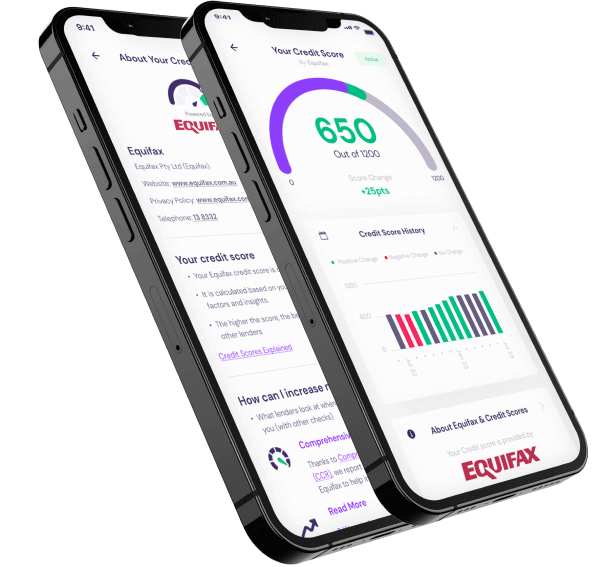
In Australia, there are multiple ways that you can check your credit score for free. The best place to start is major credit reporting bodies like Equifax or Experian, however, there are also third-party sites such as Canstar or ClearScore. Checking your own credit score is a soft inquiry – meaning it won’t affect your credit score – making it a good way to keep track of your financial health.
Depending on the credit agency, your score may differ. In this table you can see how different scores may be graded.
| Rating | Equifax | Experian |
|---|---|---|
| Excellent | 853-1,200 | 800-1,200 |
| Very Good | 735-852 | 700-799 |
| Good | 661-734 | 500-699 |
| Fair / Average | 460-660 | 300-499 |
| Low / Below Average | 0-459 | 0-299 |
Last updated June 2026
When your credit file is accessed, it’s recorded as either a hard inquiry or soft inquiry.
A hard credit check (or inquiry) happens when you apply for credit and the lender pulls your credit file. It provides the lender with a detailed report of your full credit history, so that they can assess your application and determine whether they want to approve you, how much you can borrow and what interest rate may be offered.
Hard credit checks may stay on your credit report for up to 5 years. Multiple hard checks in a short period of time could signal risk to a lender. You are also likely to see a bigger impact on your credit score. Depending on the strength of your credit score, you may be able to apply again sooner or prefer to wait longer before your next application.
Read more: Does Applying for a Loan Affect Your Credit Score?
A soft credit check (or file access) is a way of accessing information from your credit report without affecting your credit score. Soft credit checks are commonly used for checking your own score or credit report, or by lenders to check if you're eligible for a specific product before you submit a full application. Soft credit checks are hidden in your credit report, and cannot be seen by other lenders.
If you’re considering applying for a loan with Jacaranda Finance, you can check if you qualify with no impact on your credit score*.
A good credit score will vary depending on the credit agency (Equifax or Experian). Typically a good credit score is 661-734 (Equifax) or 500-699 (Experian). Credit scores in the good to excellent range demonstrate a strong credit history. This could mean higher chances of approval and may lead to better loan terms.
What’s determined to be a bad credit score will vary depending on the credit agency (Equifax or Experian). Typically a bad credit score is considered anything less than 460 (Equifax) or 300 (Experian). A bad credit score could affect your ability to borrow money by making you appear less creditworthy to lenders.
The good news is, at Jacaranda Finance we see you as more than just a score. Our clever tech goes beyond the credit score to see the full picture. Like, how you’re spending and managing your money right now. We make borrowing simple, fast and built around you – not the other way around.
Read more: Bad Credit Loans
A credit report is a detailed record of your credit history. It’s used to calculate your credit score and includes information such as:
Checking your credit report can allow you to see what lenders will see when assessing your credit worthiness. In Australia, you can access your credit report for free once every 3 months (or more frequently, however costs may apply) through a credit reporting agency such as Equifax or Experian, or using a third-party service such as CreditSavvy or ClearScore. To access your credit score, you will need to verify your identity.
While you are repaying your loan, it’s important to ensure repayments are on time. Late or missed payments could have serious consequences, including negatively impacting your credit score and appearing in your credit report. If there is any reason you may not be able to make your repayment on time, it’s crucial that you notify the lender as soon as possible, as they may be able to help.
Consistently making your repayments on-time demonstrates good credit behaviour, which could boost your score over time. Showing you are able to pay back your debt on schedule could demonstrate better credit worthiness to lenders and possibly improve your chances of getting approved for future credit.
What negatively impacts credit score?
What positively impacts credit score?
Read more: Does Applying for a Loan Affect Your Credit Score?
Improving your credit score requires time, patience and consistency. This includes making repayments on-time, reducing your outstanding debt and limiting new credit applications. Here are some things that you can start doing today to improve your credit score:
1. Make every payment on time
Your ability to repay your debt on time has the most significant impact on your credit score. Setting up automatic payments or direct debits and timing your repayment schedule to align with your pay schedule are two ways you can help yourself to stay on track.
2. Limit how often you apply for credit
Every time you apply for credit, you are putting a hard check on your credit report – regardless of if you are approved. Multiple hard checks in a short period of time could cause your credit score to decline.
3. Minimise your credit utilisation
If you are going to use a credit card, it’s advised to keep the amount of debt you have owing below 30% and if possible, pay off the full amount each month. This signals to lenders that you can manage your credit responsibly.
4. Check your credit report regularly
You can access your credit report for free once every 3 months. Check your credit report for inaccuracies and outdated information. It’s also important to screen for potential identity theft so that you can flag it with the relevant credit agency immediately if necessary.
Read more: How to improve your credit score?